



It's easy to do and we'll show you how! You can simply share our news or lend your skills and expertise. You can also challenge yourself with a fundraiser or introduce us to your school, church or workplace.
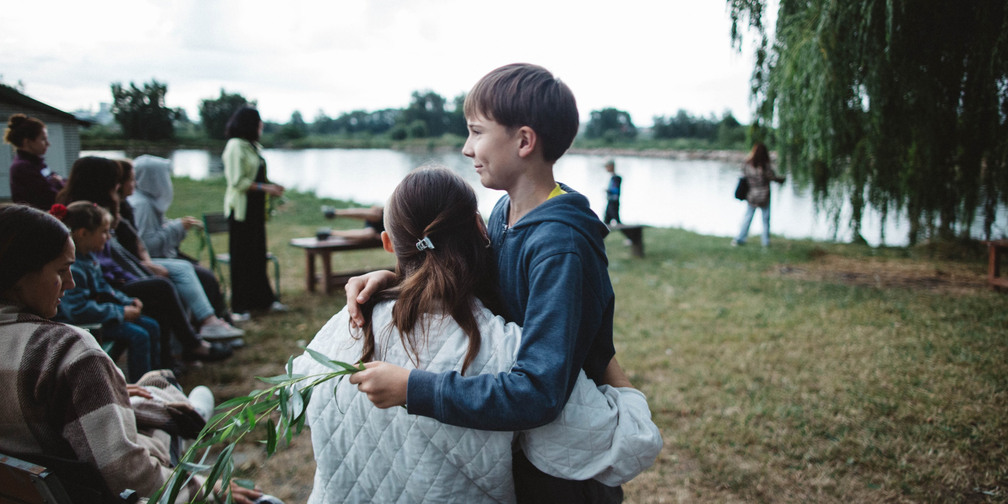

When a parent is killed or goes missing in the war, the whole family’s life is changed. Our Family Camps in Ukraine offer space to grieve, connect with others and begin to look ahead with renewed hope. Thanks to funding from Germany, 88 people from 34 families took part in two seven-day camps in summer 2026.
How do we learn to live with grief? What helps when uncertainty is part of everyday life? And how can parents and children support one another when they are each struggling to come to terms with so much? These are the questions facing families who take part in our ‘Anchor Point’ camps. They have lost a loved one or are waiting for news of a family member who is missing.
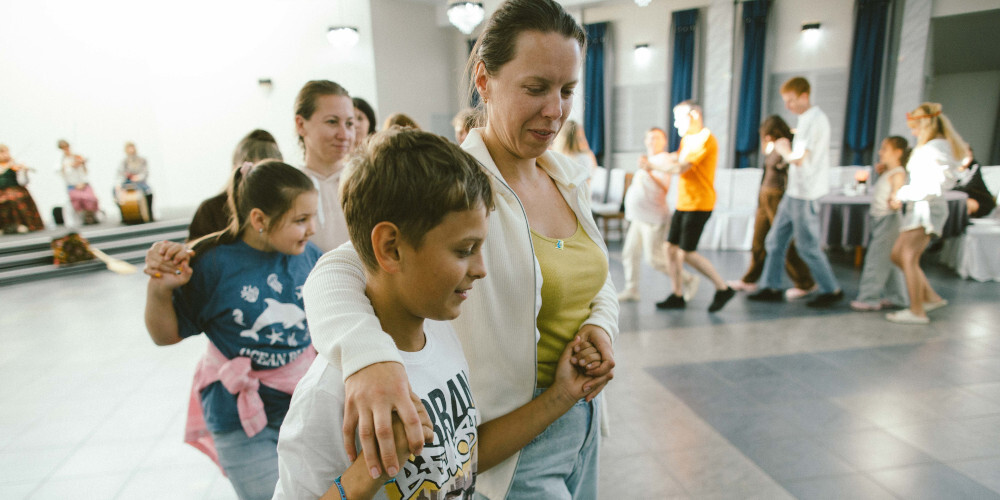
Together with our Ukrainian sister organisation, Turbota v Dii, we offer them a week of professional psychological support, shared activities and time to pause and catch their breath. Alongside grief and worry, there is also room for joy, connection and happy memories.
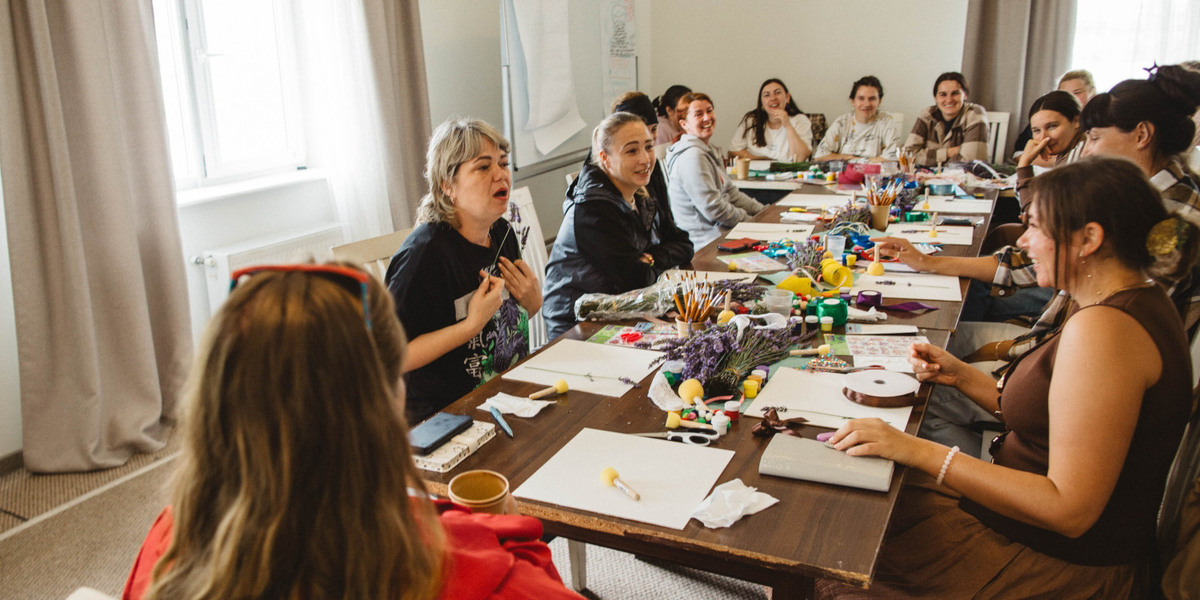
Every family member experiences loss and uncertainty differently. That is why the programme has been further developed in collaboration with the psychologists involved, and tailored to the different needs of adults, teenagers and children.
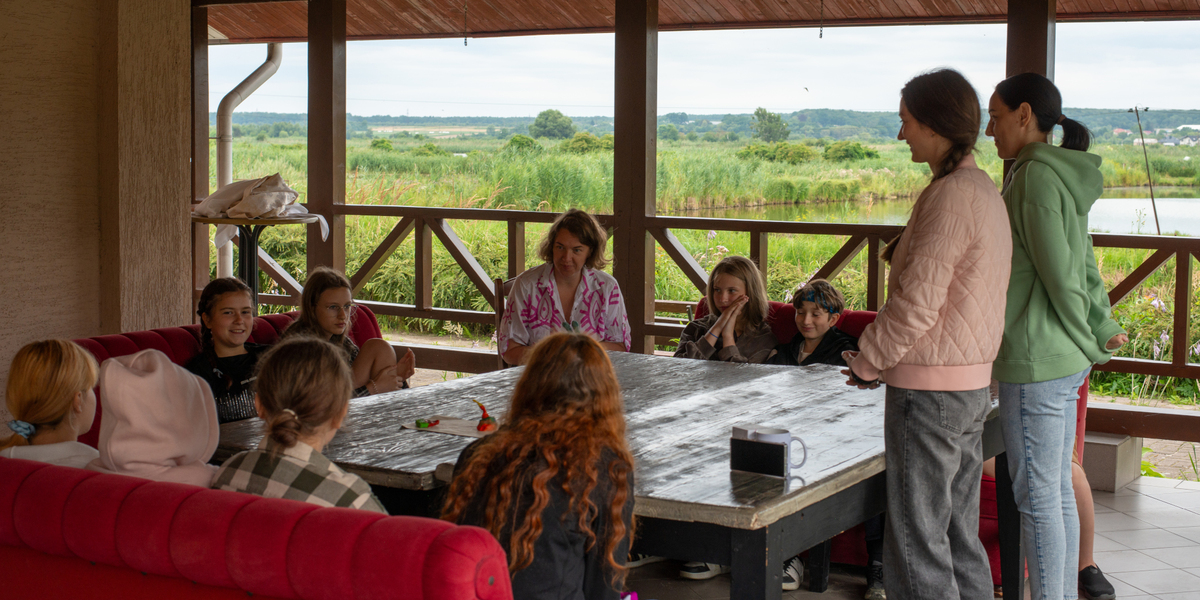
Each age group of children had its own psychologist, with additional support from volunteers. Discussion groups, creative activities, movement and relaxation exercises helped participants recognise their feelings and explore ways of coping with emotional challenges.
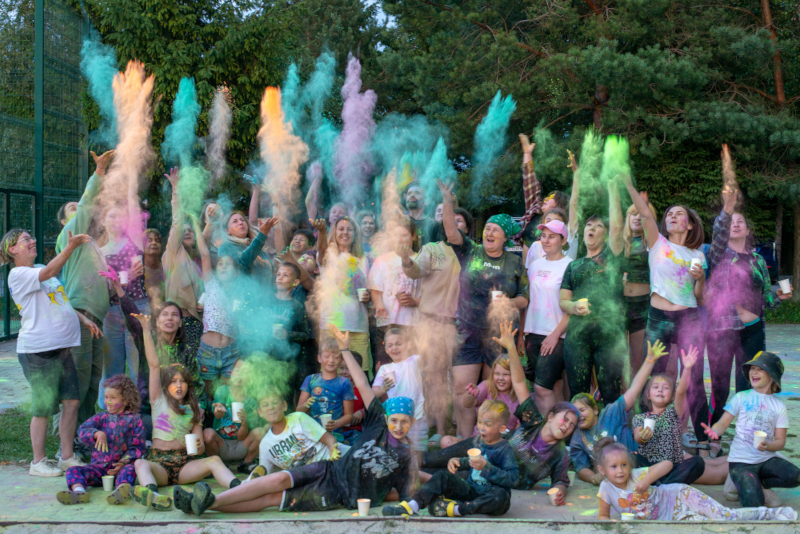
Parents and children sometimes explored related themes in their separate groups at the same time. Shared family activities then gave them opportunities to talk, understand one another better and create new experiences together. The evening programme also provided space to meet others and enjoy some carefree moments.
Liudmyla came to the camp with her three children, eight months after her husband had died. She was trying to cope with her own grief while also giving her children the support they needed. She had never sought psychological support before. Above all, she hoped to find renewed strength and meet people who understood what she was going through.
Throughout the week, she took an active part in the activities. Gradually, her children also began to feel at ease in the group, discovering their own strengths and becoming more open with others.
One particularly special moment came during a shared art therapy session, when the family painted a garden together. At first, they found it difficult to bring their ideas together. But gradually they found a shared rhythm and created a picture they could all feel proud of. Working together gave them the chance to listen, cooperate and connect as a family.
By the end of the week, Liudmyla felt more confident in her role as a mother and had made friends with people who shared similar experiences. Her grief remained, but she left with renewed hope. To ensure that recovery could continue, the team arranged five additional individual counselling sessions for her.
Olha, one of the participants, describes how much it meant to spend time with other families facing similar experiences: “Through the psychological exercises and conversations with others who had also experienced loss, I felt supported and realised that I wasn't alone.”
Natalia also took renewed strength for everyday life away from the camp: “The team gave me the strength to carry on living and look to the future. Understanding within my family has improved considerably, and we felt completely safe throughout the camp.”
Their experiences are reflected in the feedback collected at the end of the camps: 97% of adults reported an improvement in their emotional well-being. The same proportion of families said they had developed a better understanding of each other. Psychologists also observed positive changes in the emotional well-being of 88% of the children they worked with.
These figures reflect the progress participants and the team reported and observed during the camp week. They also help the team identify which families may need further support.
The camps require careful preparation and a closely coordinated team. Led by Programme and Project Manager Anastasia Lychak, with coordination by Tetiana Symkovych, the team brought together psychologists, a social worker, staff members and long-standing volunteers, all contributing their experience. Angela Fityo coordinated the activities for the children.
In preparation, 20 volunteers received two days of training in supporting children experiencing loss and grief. The needs of each participating family were also assessed before the camps. By paying close attention to each family’s individual circumstances, the team can provide targeted support after the camps and arrange further individual psychological consultations where needed.
The well-being of the team matters too. Many staff members and volunteers face the daily pressures of war themselves and have experienced loss in their own circles. Psychological support during the camps helped them cope with the demands of supporting the families.
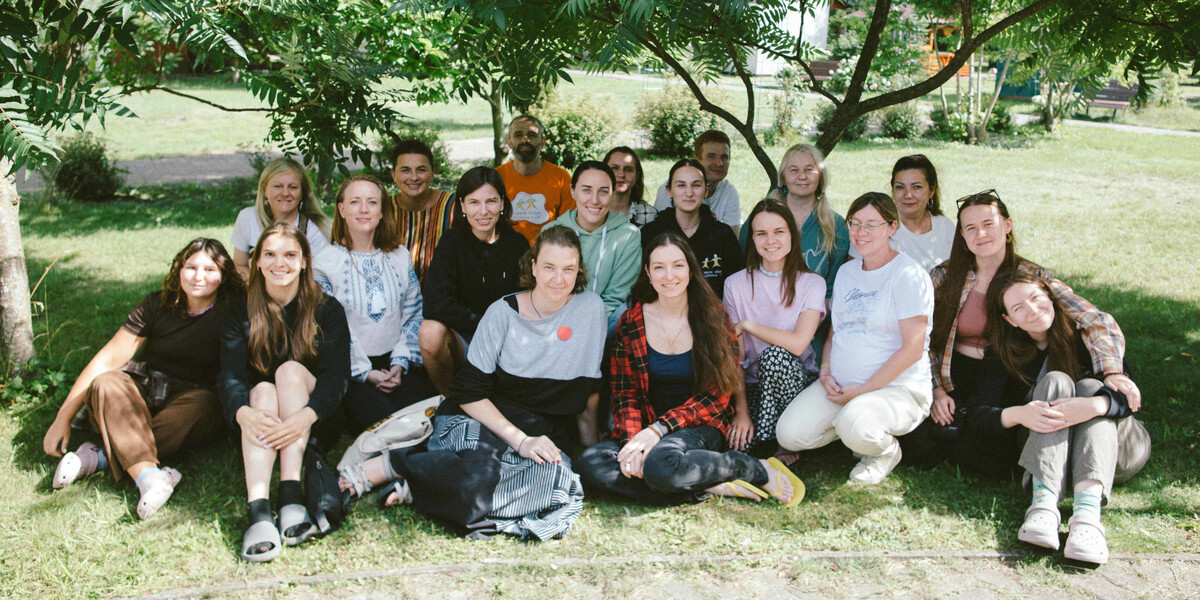
One week cannot take away loss or uncertainty. But it can give families the space to begin working through their trauma, find new ways of coping and discover the value of psychological support. They leave feeling less alone, closer to one another and better equipped to face everyday life with renewed hope.
We are grateful to the Hasso Plattner Foundation for funding both the Family Camps and the preparatory training. Our sincere thanks also go to the entire Ukrainian team, the psychologists and all the volunteers whose care and commitment made this support possible.
It's easy to do and we'll show you how! You can simply share our news or lend your skills and expertise. You can also challenge yourself with a fundraiser or introduce us to your school, church or workplace.